Reviewing Antique Christmas Ornament for Branded Business Merch
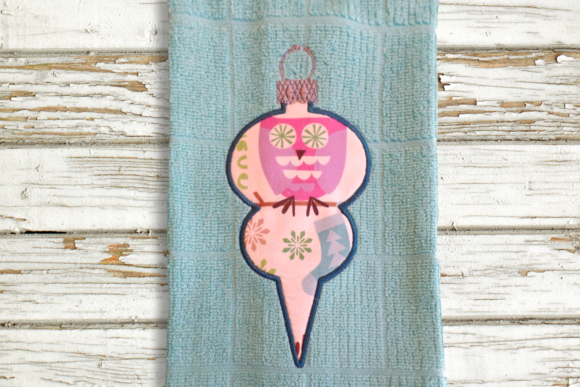
As a professional embroidery designer, I am constantly evaluating new machine embroidery designs for their potential as small business assets. Today, I'm taking a close look at Antique Christmas Ornament, a design described as resembling an antique-style glass ornament. My review focuses squarely on its viability for branded merchandise, patches, and commercial embroidery projects, not just seasonal decoration.
First Impressions: A Design of Classic Charm and Professional Potential
The immediate appeal of Antique Christmas Ornament is its classic, decorative quality. The "antique-style" descriptor suggests a design with character, likely incorporating subtle details that evoke a sense of heritage and craftsmanship. For a business, this translates into a feeling of authenticity and timeless elegance. It leans more toward rustic or premium handmade presentation than a purely playful or modern aesthetic. This first impression is crucial. For a boutique, café, bakery, or creative studio, such a design on an apron or tote bag can immediately signal a brand invested in quality and a warm, personal touch.
Real-World Business Applications: Where This Ornament Shines
Let's move from impression to application. I envision several strong use cases for this embroidery file in a commercial setting.
- Embroidered Patches: A well-digitized Antique Christmas Ornament could become a fantastic branded patch. It could serve as a festive sleeve detail on staff uniforms, a product label accent for a handmade shop, or a collectible item for customer loyalty programs. Its decorative nature makes it an ideal standalone patch for a tote bag or hat.
- Staff Apparel & Uniforms: This design could act as a seasonal accent on otherwise standard uniforms. Imagine it embroidered on the chest of a café server's polo, on a baker's apron, or on the sleeve of a florist's work shirt. It adds a unique, festive brand touch without overhauling the entire uniform.
- Customer-Facing Merchandise: For Etsy sellers, merch creators, or local boutiques, this ornament is prime for holiday merchandise. Embroidered onto caps, tote bags, or specialty tea towels, it becomes a branded product that customers can purchase, enhancing product value and visual consistency for the business.
- Branded Product Add-Ons: A pet brand, a craft business, or a studio could use a smaller version of this design as an accent on product packaging, as a thank-you gift tag, or on event merch like limited edition pins. It reinforces brand identity during the festive season.
Navigating Practical Considerations for Professional Results
To ensure Antique Christmas Ornament performs flawlessly in production, a designer must approach it with practical, professional habits. Based on its description of being "fun and easy to stitch," I hope the file is optimized, but caution is always advised.
- Scale and Placement: Test this design at a small size first. If you intend to use it as a cap front design or a small patch, you must confirm the details remain clear and the stitch density is manageable. Tiny, intricate outlines can become muddy at very small scales.
- Thread Color and Contrast: The antique style may rely on subtle color shifts. For dark uniforms or fabrics, you might need to adjust thread colors for proper contrast. Always run a test on your actual fabric—a black work shirt, a canvas tote bag—before full production.
- Technical Setup: Use the proper stabilizer for your fabric texture to prevent puckering. Confirm the required hoop size fits your target items, like apron pockets or cap fronts. Creating a printable mockup for client approval before stitching is a standard professional step.
- Comparison and Context: Place a stitch-out of Antique Christmas Ornament beside your other brand assets. Does it complement your existing visual identity? Does it feel cohesive for a holiday campaign?
- Commercial Readiness: Finally, before any business use, explicitly confirm the commercial licensing terms of the digital embroidery file. This is a non-negotiable step for professional embroidery shops and product designers.
Potential Limitations and Areas for Careful Use
Even a superb design has contexts where it might require special attention. For Antique Christmas Ornament, consider these scenarios.
- Very Small Patch Sizes: If the design incorporates highly detailed interior textures mimicking glass, those details might not translate well to a sub-2-inch patch size. A simplified version or selective editing might be needed.
- High-Wash Frequency Items: For staff uniforms or aprons that undergo industrial washing, a design with very high stitch density could potentially feel bulky or be less durable. A test on a spare item that goes through a wash cycle is wise.
- Curved Surfaces: Embroidering it on a structured cap front requires a file that accommodates the curve. Check that the design’s key elements won't distort significantly on such a surface.
- Stand-Alone Brand Mark: While excellent as an accent, if a business needs a primary, year-round logo, this Christmas-specific ornament would not be suitable. Its use is best as a seasonal enhancement to an existing brand identity.
The Impact on Brand Identity and Customer Perception
Ultimately, using Antique Christmas Ornament on your business merchandise is a strategic branding decision. A well-executed embroidered patch or cap design featuring this ornament can enhance customer trust by demonstrating attention to detail. It boosts the perceived product value of a tote bag or apron, framing it as a premium, handmade product. For a small business, this visual consistency across holiday merchandise—from staff wear to customer gifts—builds stronger recognition and buyer engagement during the festive season. It tells a story of a brand that cares about its presentation and celebrates its community with special touches.
Final Designer Notes for a Successful Project
To wrap this review, my direct advice to fellow embroidery shops, apparel decorators, and merch creators is this: Treat Antique Christmas Ornament as a valuable design asset. Start by stitching it out in a single color, like black or white, to assess its fundamental structure and clarity. Then, proceed to your chosen thread palette. Communicate clearly with your client about its best uses—as an accent, a patch, a seasonal merch item—and its limitations for tiny or permanent logo applications. By integrating these professional practices, you can transform this festive embroidery design into a powerful tool for small business branding, creating finished products that resonate with both the brand and its customers during the Christmas season and beyond.