Merry Grinchmas Embroidery Design Review for Real Projects
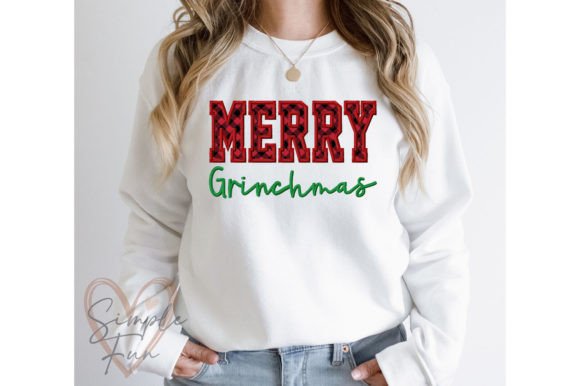
When a digital embroidery design lands on my screen, I don’t just look at the picture. I imagine how it will stitch out on fabric, what kind of product it will elevate, and whether it will hold up under real use. The Merry Grinchmas design is a perfect candidate for that kind of practical scrutiny.
The First Impression: A Playful Holiday Mood
Right away, this design brings a specific, cheeky Christmas vibe. It’s not just generic holiday cheer; it has a personality. The theme taps into a beloved, slightly mischievous character, which creates an immediate emotional hook. The layout feels balanced, and the detail level suggests it’s designed for clarity when stitched, not just for looking good on a screen. This isn’t a tiny, intricate motif; it’s a statement piece that belongs on items meant to be noticed and enjoyed.
Where This Design Naturally Belongs
I immediately picture it on a cozy, heavyweight sweatshirt or a canvas tote bag—products where the design can be central and bold. It would also shine as a feature on a holiday apron or a pillow cover for seasonal decor. For a craft business or Etsy seller, this is a design that could drive a whole product line: custom apparel like themed sweaters, personalized gifts for Grinch fans, or even embroidered patches for customers to apply themselves. The playful nature makes it a strong candidate for baby items like a blanket or a knit hat, assuming the scale is adjusted appropriately.
Performance in Real-Life Embroidery Situations
Let’s walk through a real scenario. Suppose I’m preparing a custom embroidered tote bag for a small shop’s holiday merchandise. I’m thinking about stitch clarity, fabric interaction, and final presentation.
The design’s shapes are likely to translate well into satin stitch for borders and fill stitch for larger areas. On a tote bag’s textured canvas, I’d be mindful of stitch density to ensure clean edges without puckering. A good, firm stabilizer would be essential here. On a smoother fabric like a tea towel or a sweatshirt, the details would pop even more, making it a gorgeous holiday embroidery piece. For a baby embroidery project on a knit blanket, I’d be cautious about the fabric’s stretch and would definitely test the design on scrap fabric first.
The Importance of Context and Background
How it looks on a dark versus light background matters greatly. The design’s visual appeal hinges on thread color contrast. On a dark fabric, using bright, festive greens and whites would be crucial for readability and that classic Grinch feel. On a light background, the colors can be more traditional. Before committing to a final finished product, I always check it in black and white mockups to gauge contrast and then stitch a sample on both light and dark scraps. This step saves so much time and material.
Where to Use This Design Carefully
While versatile, Merry Grinchmas does have considerations. If the design contains very small lettering or intricate decorative accents, these areas could be challenging on textured fabrics or curved surfaces like caps. High stitch density in certain sections might require careful handling on thin fabric or stretchy fabric to prevent distortion.
For products destined for frequent washing, like kitchen towels or apparel, the stitch integrity needs to be robust. This means ensuring the underlying embroidery file is optimized with proper underlay and that I’m using quality threads. I would not recommend trying this on a very small hoop size if the design is large; compression would lose detail and impact.
Affecting Value, Trust, and Engagement
From a commercial perspective, using a well-executed design like this affects everything. It boosts the perceived product value of a handmade product. It builds customer trust because the embroidery looks professional and intentional. For small shop product lines or boutique branding, it offers brand consistency for a holiday collection. Its high recognition makes it instantly giftable, which is a huge advantage for creative entrepreneurs. A clean, crisp stitch-out of this design on a printable mockup for an Etsy listing directly increases buyer engagement.
Practical Notes for the Working Designer
Before loading the machine embroidery design and starting a client project, here’s my checklist.
- Confirm the hoop size you need versus the design size. Don’t guess.
- Inspect the small details in the file preview. Are any corners too tight or lines too fine for your target fabric?
- Plan your thread colors. Do you want classic Grinch greens, or a more custom palette?
- Always use the proper stabilizer for your specific fabric and project type.
- Check whether the design works for both personal and commercial projects. The product description mentions it comes with multiple embroidery file formats, but you must confirm licensing before selling finished items or including it in your digital product assets. Never assume.
- Think about the end use. Is it a decorative pillow cover or a heavily used tote? This influences your stitch choices and reinforcement.
The Final Stitched Reality
When all these considerations are addressed, Merry Grinchmas becomes more than a digital file. It becomes a charming, professional-grade addition to your holiday embroidery project portfolio. It can turn a simple sweatshirt into a sought-after custom apparel item, a plain towel into a thoughtful holiday gift, or a digital shop into a source of unique design assets. Its success lies not just in its cute concept, but in how thoughtfully you prepare, stitch, and apply it to real-world products for real-world customers.