Christmas Deer: A Designer's Review for Business Embroidery
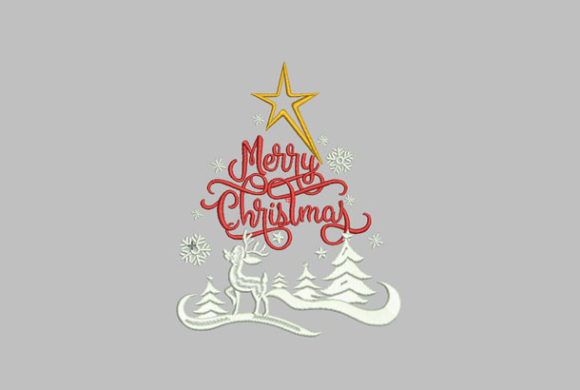
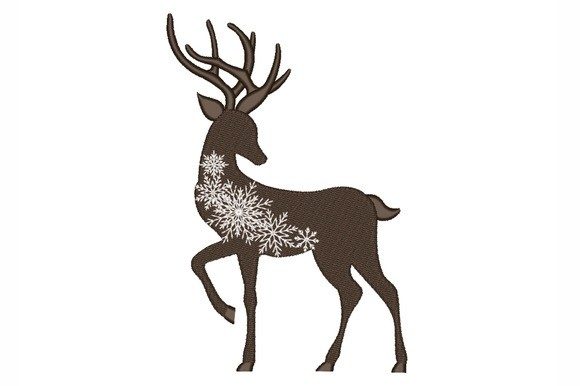
When a small business brings me an embroidery design for branded merchandise, my first review goes beyond aesthetics. I look at how the file performs, feels, and functions in real-world commercial applications. The Christmas Deer design, as described, arrives with a simple, festive promise: to add a spark of joy to projects like aprons, towels, and apparel. My initial impression is of a classic, playful, and friendly motif. It leans toward a handmade, rustic charm rather than a sleek, modern corporate logo, which is a crucial distinction for business use. This inherent warmth is its greatest asset for certain brands.
The Business Personality of Christmas Deer
For a small café, boutique bakery, or handmade craft shop, this embroidery design can translate that warm, personal touch directly onto products. On an apron, it becomes more than decoration; it’s a brand accent that feels approachable and genuine. On a tote bag, it suggests a thoughtful, local business rather than a generic retailer. The key question is whether this "spark of joy" aligns with your brand identity. If your business values a classic, cozy, and customer-friendly vibe—think florists, pet brands with a homey feel, or creative studios selling handmade goods—Christmas Deer can enhance that perception and build customer trust through visual consistency.
Real-World Applications for Merchandise and Branding
Let’s move from impression to application. The description suggests use on tablecloths, aprons, towels, apparel, and decorations. For a business, this list expands into tangible small business merch.
- Embroidered Patches: This is a prime use. A Christmas Deer patch can be applied to product packaging as a seasonal accent, sewn onto customer gift bags, or used as a badge on event merchandise. It can turn a plain notebook or simple cap into limited-edition holiday shop merch.
- Staff Uniforms & Workwear: Embroidered on a chef’s apron in a bakery or on the chest of a staff shirt in a boutique, it provides a unified, festive look. It’s less about corporate branding and more about creating a cheerful, seasonal team atmosphere.
- Cap Embroidery: On the front of a cap, it works as a great holiday giveaway or sale item. The design’s likely rounded, central composition is generally suitable for the curved front of a cap.
- Tote Bag Design: A tote bag with this design embroidered becomes a functional piece of custom apparel that customers might purchase, reinforcing your brand every time they use it.
- Product Labels & Accents: For a handmade shop, a small version embroidered directly onto a product tag or the corner of a tea towel adds perceived value and a handmade product signature.
Critical Considerations for Professional Execution
Success depends on technical execution. A friendly design can look amateurish if the embroidery fails. Here are my practical notes for using this digital embroidery file commercially.
- Scale is Everything: Before production, test the design at the actual size you intend to use, especially for small patches or cap fronts. Detail like antlers or facial features can become muddy or lost if the design is minimized too much. Check the minimum recommended hoop size from the file provider.
- Thread Color & Contrast: The design’s festivity relies on color. Test your chosen thread palette on the actual fabric—will it pop on a dark uniform or blend into a textured towel? Always create a physical sample or a detailed printable mockup for client approval.
- Fabric & Stabilizer: A "spark of joy" on a towel requires different stabilization than on a dense apron twill. Always match your stabilizer to the fabric texture to prevent puckering, which undermines professionalism.
- Stitch Density: High stitch density can make a design stiff and uncomfortable on wearable merch like caps or shirts. It can also challenge frequent washing. I advise checking the file’s stitch density for items destined for daily use.
- Commercial Licensing: This is paramount. Before using any machine embroidery design for business products, even for staff uniforms, confirm the license terms explicitly permit commercial embroidery and resale of the finished product. Never assume.
Where Christmas Deer Requires Careful Placement
While versatile, some applications demand extra caution.
- Very Small Patch Sizes: As mentioned, intricate elements may not survive reduction to a tiny logo on a product label.
- Curved or Complex Surfaces: On a tightly curved cap front or the sleeve of a fitted shirt, any detailed outlines might distort. A simplified test run is essential.
- Items for Frequent Washing: For merch like work shirts or kitchen towels that see heavy wash cycles, a robust, less dense embroidery version will last longer and maintain brand integrity.
- Standing Alone vs. Integrated: Christmas Deer as a solitary brand mark is strongly seasonal. For year-round businesses, consider it an accent alongside your core logo, or use it only on limited-time holiday merchandise to avoid confusing your brand’s visual consistency.
Final Designer’s Verdict on Brand Value
Christmas Deer is a design with clear commercial potential for the right business. Its value lies in elevating brand identity through emotional connection rather than corporate starkness. For a customer, an embroidered tote bag or apron with this design feels personal and special, which can directly increase product value and buyer engagement. It signals a business that cares about atmosphere and detail.
My strongest recommendation is to treat it as a serious design asset. Integrate it thoughtfully into your holiday strategy. Test it rigorously in black and white first to check form, then in color on actual materials. Compare it beside your other branding elements to ensure harmony. When executed well on appropriate merchandise, Christmas Deer can indeed add that spark of joy—not just to a project, but to your customer’s perception of your business during the most memorable retail season of the year.